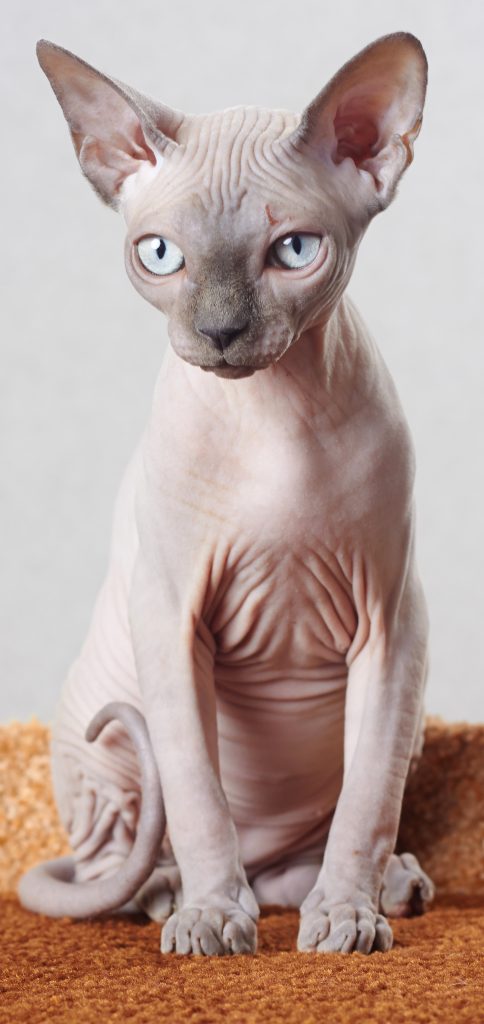
Have you ever wondered why some cats are hairless? These unique felines, often known as Sphynx cats, stand out with their smooth, bare skin and charming personalities.
But what makes them different from their furry counterparts? As you dive into this fascinating topic, you’ll uncover the secrets behind their distinctive appearance and discover the science and history that make them so special. This isn’t just a story about genetics; it’s a peek into a world where nature and nurture collide in the most unexpected ways.
Stay with us, and you’ll learn why these hairless wonders capture the hearts of cat lovers everywhere and maybe even yours.
Genetic Factors
Have you ever wondered why hairless cats, like the famous Sphynx, lack the fluffy coats that most feline friends boast? The answer lies in their unique genetic makeup. These cats are a result of fascinating genetic factors that set them apart from their furry counterparts. By understanding the genetic factors, you can appreciate the distinctive charm of these bald beauties.
Role Of Gene Mutations
Gene mutations play a crucial role in the hairlessness of certain cat breeds. A mutation in a specific gene, known as the keratin gene, affects the production of a protein essential for hair growth. Without this protein, hair follicles fail to develop normally, resulting in the cat’s smooth skin.
Imagine a world where a single genetic twist can change the appearance of an entire species. This is exactly what happens here. The mutation is spontaneous and rare, making these hairless cats truly unique.
Have you ever noticed how some people have rare genetic traits? Just like humans, cats can have mutations that make them stand out. It’s fascinating how a tiny change in their DNA can lead to such a striking difference.
Inheritance Patterns
Hairless cats inherit their unique traits through specific inheritance patterns. These patterns follow the rules of genetics, passed down from generation to generation. If a hairless cat mates with a furry one, the offspring may vary in their coat types.
Simple heredity dictates which kittens will be hairless and which will have fur. Hairlessness is often a dominant trait, making it more likely to appear when one parent carries the gene.
Have you ever thought about what traits you inherited from your parents? Cats, like people, have genes that determine their characteristics. The fascinating inheritance patterns in hairless cats reveal how genetic diversity shapes their appearance.
Understanding these genetic factors makes us appreciate the uniqueness of hairless cats. Next time you see one, consider the genetic story that lies beneath their sleek exterior. What other mysteries do you think the world of genetics holds?

Credit: danspetcare.com
Breeds Of Hairless Cats
Hairless cats are a unique breed with a distinct appearance. Their lack of fur isn’t just a quirky trait. It’s a result of genetic mutations. These cats still have the same playful and loving nature as their furry counterparts. Let’s explore some popular breeds of hairless cats.
Sphynx
The Sphynx is the most recognized hairless cat breed. It originated in Canada during the 1960s. The Sphynx has soft, suede-like skin. Its large ears and wrinkled skin make it stand out. Despite no fur, the Sphynx loves warmth and cuddling. This breed is known for its friendly and outgoing personality.
Peterbald
The Peterbald breed comes from Russia. It was developed in the 1990s. Peterbald cats can have varying degrees of hairlessness. Some may have a fine down or be completely bald. They are known for their affectionate nature. Peterbalds enjoy socializing with humans and other pets.
Donskoy
The Donskoy, or Don Sphynx, also hails from Russia. This breed appeared in the late 1980s. Donskoys can regenerate hair over time. Their skin feels warm and soft to touch. They are intelligent and curious creatures. Donskoys are known for their loyalty to their owners.
Evolutionary Adaptations
Hairless cats, like the famous Sphynx, often intrigue pet lovers. Their unique appearance stems from fascinating evolutionary adaptations. These adaptations help them thrive without a traditional fur coat. Understanding these changes can shed light on their survival mechanisms.
Environmental Influences
Hairless cats evolved in areas with mild climates. In such environments, a thick fur coat is unnecessary. Without fur, they can regulate their body temperature effectively. This adaptation helps them stay cool in warm weather.
Skin exposure allows them to absorb sunlight easily. This is crucial for vitamin D synthesis. It helps maintain their health and strengthens their bones. Their skin also becomes sensitive to external stimuli, enhancing their touch senses.
Survival Mechanisms
Hairless cats have developed unique survival strategies. Their skin produces more oils than furred cats. These oils protect against bacteria and keep the skin moist. This natural barrier is vital for their health.
They rely on human companionship for warmth and protection. This bond leads to a stronger connection with their owners. Their friendly nature often makes them excellent pets. The lack of fur also reduces the risk of fleas and ticks. This makes them easier to care for.
Despite their differences, hairless cats have adapted well over time. Their unique traits ensure they thrive in various environments. These adaptations make them fascinating companions to humans.
Biological Characteristics
Hairless cats, such as the Sphynx, intrigue many due to their unique appearance. Their lack of fur isn’t just an aesthetic trait; it results from specific biological characteristics. Understanding these traits can provide insights into their care needs and behaviors.
Skin Structure
Hairless cats have unique skin structures compared to their furry counterparts. Their skin is thicker and more elastic. This helps protect them from environmental factors. Although they lack fur, their skin produces oils. These oils keep the skin supple and smooth. Regular bathing is necessary to manage this oil production. Without baths, oils build up, causing skin issues.
Temperature Regulation
Temperature regulation is crucial for hairless cats. Their lack of fur means they lose heat more quickly. They often seek warm places to maintain body temperature. You might find them basking in the sun or snuggling under blankets. Providing warm spots at home is essential for their comfort. Clothing can also help them retain heat. Owners often dress them in sweaters during colder months. This ensures they remain cozy and healthy.
Care Requirements
Hairless cats are born without fur due to a genetic mutation. They need extra care to keep their skin healthy. Regular baths remove oils, and sunscreen protects them outdoors.
Have you ever wondered why hairless cats need special care? These unique felines, known for their distinctive appearance, require a little extra attention compared to their furry counterparts. Understanding their care requirements is crucial to ensuring they lead healthy and happy lives. From skin protection to dietary needs, hairless cats bring an intriguing set of challenges and rewards. Let’s dive into what makes caring for these amazing creatures so unique.Skin Protection
Hairless cats lack the fur that typically provides a natural barrier against environmental elements. Their skin is exposed, making it prone to sunburn and irritation. You’ll need to protect their sensitive skin from direct sunlight. Consider applying a pet-safe sunscreen or providing shaded areas for them to lounge. Regular baths are also essential to remove skin oils that can build up. A gentle, hypoallergenic shampoo works best—avoid anything with harsh chemicals.Dietary Needs
Without fur, hairless cats tend to have a faster metabolism to maintain body warmth. This means they often require more food than other cats. Ensure their diet is rich in protein and healthy fats to support their energy needs. You might notice your hairless cat wanting to snack more frequently. Offering smaller, more frequent meals can help manage their calorie intake effectively. It’s also essential to monitor their weight closely, as obesity can lead to health issues. Have you considered how a balanced diet impacts their overall health and happiness? Proper nutrition not only fuels their energy but also supports their skin health, making them feel comfortable and lively. Owning a hairless cat is an adventure filled with unique care requirements. As you embrace their differences, you’ll find joy in meeting their needs and strengthening your bond with these remarkable pets.
Credit: cfa.org
Popularity And Perception
Hairless cats, like the Sphynx, intrigue many cat lovers worldwide. Their unique appearance sparks curiosity and admiration. Some find their lack of fur unusual, even exotic. Others appreciate their distinct charm and elegance. These cats often become conversation starters, captivating attention wherever they go.
People’s perceptions of hairless cats vary across cultures. Some see them as mysterious, almost mystical creatures. They often appear in movies and art, symbolizing uniqueness and rarity.
Cultural Significance
In ancient times, hairless cats held special roles in certain cultures. The Aztecs revered them, believing they possessed spiritual powers. They appear in ancient art, often depicted beside deities. In modern culture, they’re symbols of elegance and sophistication. Many fashion and art industries embrace their unique look.
Hairless cats also feature prominently in pop culture. They often portray eccentric or unique characters in films and TV shows. This exposure increases their allure and popularity.
Pet Ownership Trends
Owning a hairless cat has become trendy among pet lovers. Many appreciate their hypoallergenic nature, appealing to allergy sufferers. Their playful and affectionate personalities attract families and singles alike.
Online platforms showcase hairless cats in various roles. Social media influencers often highlight their adventures and quirks. This visibility boosts their popularity as potential pets.
Breeders note a rise in demand for these unique cats. More people seek them as companions, intrigued by their distinct looks.

Credit: en.wikipedia.org
Frequently Asked Questions
Why Do Hairless Cats Have No Fur?
Hairless cats lack fur due to a genetic mutation affecting hair follicles. This mutation causes their skin to be exposed. Breeds like the Sphynx have this genetic trait, making them unique and popular among pet enthusiasts. Regular grooming and skincare help maintain their health and comfort.
Do Hairless Cats Get Stinky?
Hairless cats can sometimes develop a smell due to skin oils. Regular bathing helps control odor. Their skin produces more oil, which can accumulate. Maintaining a proper cleaning routine keeps them fresh and odor-free. Use gentle, pet-safe shampoos for their sensitive skin.
Regular grooming is key to managing their scent.
What Is The Purpose Of A Hairless Cat?
Hairless cats, like the Sphynx, are bred for their unique appearance and minimal shedding. They’re ideal for allergy sufferers and cat lovers seeking a distinct pet. These cats are known for their affectionate nature and social behavior, making them great companions for families and individuals alike.
Can A Hairless Cat Survive In The Wild?
A hairless cat struggles to survive in the wild due to lack of protection from harsh weather. They are more vulnerable to injuries and predators. It’s best for them to live indoors where they can receive proper care and shelter.
Conclusion
Hairless cats captivate with their unique appearance and gentle demeanor. These fascinating felines lack fur due to genetic mutations. Their skin feels warm and surprisingly soft. They require special care to maintain healthy skin. Regular baths and protection from the sun are essential.
Despite their unusual looks, they are affectionate and loyal companions. Perfect for those seeking a pet with a distinct personality. Hairless cats certainly make a memorable addition to any home. Their charm and elegance leave a lasting impression. A delightful choice for cat lovers everywhere.