Are you ready to tackle the task of trimming your cat’s nails but find yourself feeling a bit uncertain? You’re not alone.
Many cat owners feel a mix of anxiety and concern when it comes to this essential grooming task. The good news? With the right approach, cutting your cat’s nails can be a straightforward and stress-free process. In this guide, you’ll discover simple steps that will boost your confidence and make nail trimming a calm experience for both you and your feline friend.
Keep reading to find out how you can transform nail trimming time into a peaceful bonding moment, all while ensuring your cat’s comfort and safety. Your journey to becoming a pro at cutting cat nails starts here!

Credit: www.youtube.com
Choosing The Right Nail Clippers
Choosing the right nail clippers for your cat is crucial to ensure a safe and stress-free experience for both you and your feline friend. With so many options available, finding the perfect pair might seem overwhelming. But, understanding the types and features can make this task much simpler and more effective.
Types Of Nail Clippers
There are several types of nail clippers designed for pets, each catering to different needs. Scissor-style clippers are popular because they resemble traditional scissors and are easy to handle. They are especially good for cats with thicker nails. Guillotine-style clippers are another option, where the nail is inserted into a hole and clipped with a squeezing motion. These are ideal for smaller nails but require practice to use effectively. Finally, there are electric grinders that gently file down the nail. They are great for reducing the chance of cutting too deep, but may be noisy and unsettling for some cats.
Features To Consider
When choosing nail clippers, consider the grip and comfort. Look for ergonomic handles that fit comfortably in your hand, reducing the chance of slips. A sharp blade is essential for a clean cut, preventing ragged edges that can lead to scratching. Safety guards are a feature worth considering; they limit how much of the nail can be clipped, reducing the risk of cutting into the quick. Also, check if the clippers are easy to clean and maintain. You’ll want a pair that lasts and remains hygienic over time.
Ever struggled with nervously approaching a wiggly cat while holding a pair of nail clippers? The choice you make can significantly affect both your confidence and your cat’s comfort. Do you prefer a quieter tool or a straightforward snip? Your personal experiences can guide you to the right decision, making every nail trimming session a little easier.
What’s your cat’s personality like? Are they skittish or calm? Matching the clippers to their temperament can be a game-changer. By considering these aspects, you can turn nail clipping from a dreaded chore into a manageable task.
Preparing Your Cat
Keep your cat calm by creating a cozy environment with gentle music. Use cat-friendly nail clippers for safety. Trim one nail at a time, rewarding patience with treats.
Preparing your cat for nail trimming can make the process smoother and less stressful for both of you. It’s all about creating a comfortable setting and making sure your feline friend is at ease. With a little patience and the right approach, you can turn this grooming task into a bonding experience.Creating A Calm Environment
First, choose a quiet room where your cat feels safe. This might be a favorite spot where they often relax. Remove any distractions like loud noises or other pets. Consider using a soft blanket or cushion to create a cozy spot. This can help your cat feel more secure and less anxious. You might even play some calming music to set the mood. Have you noticed how your cat behaves when they’re relaxed? Pay attention to these cues as you prepare the area. A calm environment can make all the difference.Familiarizing Your Cat With The Clippers
Before you even think about cutting, let your cat investigate the clippers. Place them nearby during playtime or feeding. This helps your cat associate the clippers with positive experiences. Let them sniff and paw at the clippers if they show interest. This exploration can reduce fear and make the clippers seem less threatening. Ever tried rewarding your cat for just being near the clippers? A small treat or gentle praise can encourage curiosity and build trust. Your cat will begin to see the clippers as just another part of their environment. Remember, patience is key. Rushing this stage might lead to anxiety or resistance. By taking it slow, you’re setting the stage for a successful nail trimming session.Techniques For Cutting Cat Nails
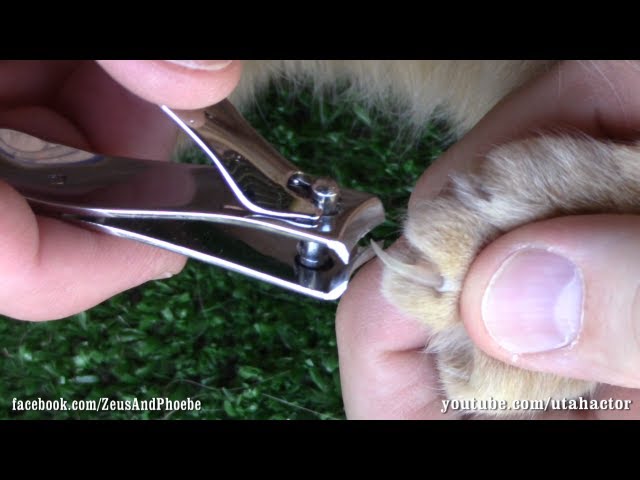
Trimming cat nails with clippers involves gentle handling and steady movements. Ensure your cat feels calm and secure. Position the clippers carefully to avoid cutting too close to the quick.
Cutting your cat’s nails can be daunting, but mastering the right techniques makes it easier. Properly trimming your cat’s nails not only keeps them healthy but also prevents your furniture from becoming their scratching post. Let’s explore some effective techniques that will ensure a stress-free experience for both you and your feline friend.Proper Positioning Of Your Cat
Getting your cat comfortable is the first step. Cats sense your anxiety, so remain calm and gentle. Place your cat on a stable surface like a table or your lap. If your cat tends to squirm, a towel wrap might help. It’s not about restraining them but providing a snug feeling that calms them. Cats often prefer to sit facing away from you. This positioning makes it easier for you to access their paws. Have you ever noticed how cats often curl up when they’re relaxed? Use this to your advantage when positioning them for nail trimming.How To Hold The Clippers
Choose clippers specifically designed for cats. These are smaller and easier to handle. Hold the clippers firmly but not too tightly. Your grip should be steady, allowing you to cut precisely without slipping. Imagine you’re holding a pen. This grip gives you control and precision. Practice opening and closing the clippers a few times to get familiar with the motion before approaching your cat’s nails.Finding The Quick
Understanding the anatomy of your cat’s nail is crucial. The quick is the pinkish part inside the nail, which contains nerves and blood vessels. It’s essential not to cut into this area. When examining your cat’s nails, look for the clear part that’s safe to trim. Holding a flashlight under the nail can help you see the quick more clearly. Have you ever accidentally cut your own nails too short? It’s uncomfortable. Avoid this for your cat by identifying the quick properly. Trimming your cat’s nails doesn’t have to be a struggle. With the right techniques, you and your cat can have a calm, safe experience. Remember, patience and practice are your best friends. Have you tried any other tips that worked for you? Share your thoughts and let’s help each other make cat nail trimming a breeze.
Credit: www.facebook.com
Dealing With Resistant Cats
Trimming a cat’s nails can be challenging. Start with gentle handling, using clippers designed for pets. Calm surroundings help reduce stress, making the process smoother for both you and your feline friend.
Dealing with a resistant cat when it comes to nail trimming can be a challenging experience. Cats are naturally independent and may not appreciate the idea of having their nails clipped. You might find yourself in a tug-of-war, but with patience and the right approach, you can make this routine task less stressful for both you and your furry friend.Handling Nervous Cats
Is your cat anxious at the sight of nail clippers? You’re not alone. Many cats become nervous during grooming. Start by creating a calm environment. Speak softly and gently pet your cat to soothe them. A quiet room without distractions can work wonders. Try to make your cat familiar with the clippers by letting them sniff and explore the tool when it’s not in use. This familiarity can reduce fear.Using Treats And Rewards
Consider the power of positive reinforcement. When your cat allows you to clip a nail, reward them immediately. Offer their favorite treat or a gentle stroke to show appreciation. This creates a positive association with nail clipping. You could even set up a reward system. Use a special treat they get only after nail trims. Over time, your cat may even look forward to it. Do you have a resistant cat at home? Remember, patience and understanding are key. With the right approach, you can transform nail clipping from a dreaded task to a bonding experience.Safety Tips And Precautions
Trimming cat nails requires care and patience. Use a quiet, well-lit space to keep your cat calm. Hold the paw gently and clip only the tip of the nail to avoid injury.
Cutting your cat’s nails can be daunting. Safety tips and precautions ease the process. Ensuring your cat’s comfort is crucial. This guide helps you avoid injury and handle mistakes calmly.Avoiding Injury
Prepare your cat. Calm them before trimming. Play softly with them. Let them relax. A quiet room helps. Dim lights reduce stress. Hold your cat gently. Don’t squeeze. Use firm, yet soft hands. Choose the right nail clippers. They should be sharp. Dull clippers can hurt the cat. Trim slowly. Don’t rush. Check the nail before cutting. Avoid the pink area. It’s the quick. Cutting there causes pain. Always trim a small amount. Stop if the cat resists. Never force the process.What To Do If You Cut The Quick
Accidents happen. Don’t panic. If you cut the quick, the nail bleeds. Apply pressure gently. Use a styptic powder or pencil. It stops bleeding fast. If you don’t have one, use cornstarch. It works too. Comfort your cat. Talk softly. Offer treats. It helps them feel better. Watch for signs of distress. If the bleeding continues, call a vet. Professional help may be needed. Stay calm. Your cat senses your mood. Being collected calms them down.
Credit: www.wikihow.com
Maintaining A Regular Nail Care Routine
Trim cat nails gently with clippers to avoid injury. Ensure your cat is calm before starting. Clip the sharp tip, avoiding the quick for safety.
Maintaining a regular nail care routine for your cat is essential for their comfort and health. Cats’ nails can grow quickly, becoming sharp and uncomfortable. Regular trimming helps prevent scratches on your furniture and yourself.Frequency Of Nail Trimming
The frequency of trimming your cat’s nails depends on their lifestyle. Indoor cats usually need trimming every two to four weeks. Outdoor cats might naturally wear down their nails, needing less frequent trims. Observe your cat’s behavior for clues. If they scratch more than usual, it might be time for a trim. Keeping a consistent schedule helps you avoid overgrown nails.Signs Your Cat’s Nails Need Trimming
Watch for nails getting caught in carpets or fabrics. If your cat struggles to retract their claws, it’s a clear sign they need a trim. Untrimmed nails can curl back, causing discomfort or even injury. Once, I noticed my cat, Luna, limping slightly. On checking, I found a nail curled into her paw pad. This taught me the importance of regular checks. Does your cat seem hesitant to walk or jump? They might be uncomfortable due to long nails. Regular observation helps you catch these signs early. Maintaining a regular nail care routine can be simple and stress-free. What strategies will you try to make this part of your routine?Common Mistakes To Avoid
Trimming your cat’s nails can be a daunting task. Many pet owners unknowingly make mistakes. These errors can lead to discomfort or injury. Understanding these common pitfalls can make the process smoother. It ensures your furry friend stays comfortable and safe.
Over-trimming
Over-trimming is a frequent mistake. Cutting too much can cause pain. It might even lead to bleeding. Always look for the quick, the pink part inside the nail. Avoid cutting into this area. Trim just the sharp tip of the nail. Use well-lit areas to see clearly. If unsure, trim a little at a time. This reduces the risk of cutting too deep.
Ignoring Warning Signs
Cats often show warning signs. They might pull their paw away. Or they may hiss or growl. These actions signal discomfort or fear. It’s crucial to stop if your cat shows these signs. Give them a break. Comfort and calm them before trying again. Ignoring these signs can make future trimmings harder. It can create negative associations with nail clippers.
Frequently Asked Questions
What Is The Trick For Cutting Cat Nails?
Use a cat-specific nail clipper. Gently press the paw to extend nails. Trim only the sharp tip, avoiding the pink quick. Reward your cat with treats and praise. Keep sessions short and calm. Regularly check and trim nails every few weeks for best results.
How To Cut Your Cat’s Nails If They Won’t Let You?
Use treats to calm your cat before trimming. Wrap them gently in a towel, leaving paws exposed. Trim nails when they are relaxed. Cut just the tip to avoid injury. If needed, seek help from a veterinarian or professional groomer.
What Angle Do You Cut Cat’s Nails?
Cut cat’s nails at a 45-degree angle to avoid cutting the quick. Trim small amounts gently for safety. Use sharp clippers designed for pets. Check for the pink area in the nail, and avoid cutting into it. Regular trimming prevents overgrowth and keeps your cat comfortable.
How To Restrain A Cat For Nail Clipping?
Gently wrap the cat in a towel, leaving one paw exposed. Hold the cat securely with your arm. Use your thumb and forefinger to press the paw pad, extending the nails. Clip carefully, avoiding the quick. Offer treats and praise for calm behavior.
Conclusion
Trimming your cat’s nails can be simple and stress-free. Use the right clippers and keep a steady hand. Remember to praise your cat for staying calm. This helps build trust over time. Practice makes perfect, so don’t worry if it’s tough first.
Patience is key to success. Keep sessions short and positive. This routine will improve your cat’s comfort and safety. Regular trimming protects your furniture and skin from scratches. With these tips, you can confidently trim your cat’s nails at home.
Your cat will thank you with purrs and cuddles!