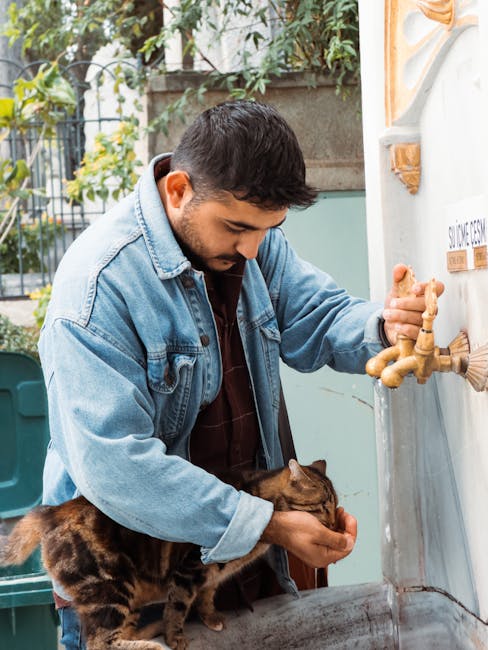
Imagine you’re relaxing at home, and suddenly, you hear your cat making those unmistakable hacking sounds. The culprit?
A hairball. If you’re a cat owner, you’ve probably encountered this scenario. It’s not only unpleasant for your furry friend but also worrying for you. What if there was a way to minimize or even prevent these hairy nuisances? You’d want to know all about it, wouldn’t you?
You’ll discover effective strategies to help your cat with hairballs, ensuring both their comfort and your peace of mind. Say goodbye to those alarming coughs and hello to a happier, healthier cat. Let’s dive in and explore solutions that will make both you and your feline feel at ease.
Understanding Hairballs
Hairballs can be uncomfortable for cats. Regular grooming helps reduce shedding and prevents hairballs. Special cat food with fiber aids digestion and reduces hairball formation.
Understanding Hairballs As a cat owner, you’ve probably encountered hairballs at some point. These pesky little bundles are a natural part of your feline friend’s grooming routine. But do you really understand what causes them, and how can you help your cat deal with them more effectively? Let’s break down the basics of hairballs, offering practical insights to help your furry companion.What Causes Hairballs?
Hairballs form when your cat grooms itself, swallowing loose fur. This is a normal behavior, but sometimes the fur accumulates in the stomach instead of passing through the digestive system. Think of hairballs as your cat’s way of managing excess fur. Are you noticing more hairballs than usual? It might be time to check if your cat is shedding more or if its grooming habits have changed.Signs Your Cat Has Hairballs
Not all cats show obvious signs of having hairballs. However, if your cat is retching, gagging, or vomiting, these could be indicators. Have you noticed your cat coughing without producing a hairball? This might mean the hairball is stuck. Pay attention to any changes in your cat’s behavior, as they may offer clues about hairball trouble.Common Misconceptions About Hairballs
Many people think hairballs are just a nuisance, but they can lead to serious health issues if not managed. Some even believe they are a sign of poor health. Is your cat healthy but still producing hairballs? Hairballs are more about grooming habits and fur type than health. Understand that not all hairballs are a cause for concern, but they shouldn’t be ignored either.How Often Do Cats Get Hairballs?
Hairballs are quite common, especially in long-haired breeds like Persians and Maine Coons. Your cat might have hairballs weekly, or even more frequently during shedding season. Do you notice an increase in hairballs during certain times of the year? This is likely linked to seasonal shedding. Regular grooming can help manage this frequency.Practical Tips To Prevent Hairballs
Preventing hairballs can be straightforward with a few adjustments. Regular brushing helps reduce the amount of loose fur your cat ingests. Consider adding fiber to your cat’s diet, as it can aid in moving hair through the digestive system. Have you tried using hairball control products? These can be effective, but always consult your vet before making dietary changes. Understanding hairballs is the first step in helping your cat lead a comfortable, happy life. What changes can you make today to ease your cat’s hairball woes?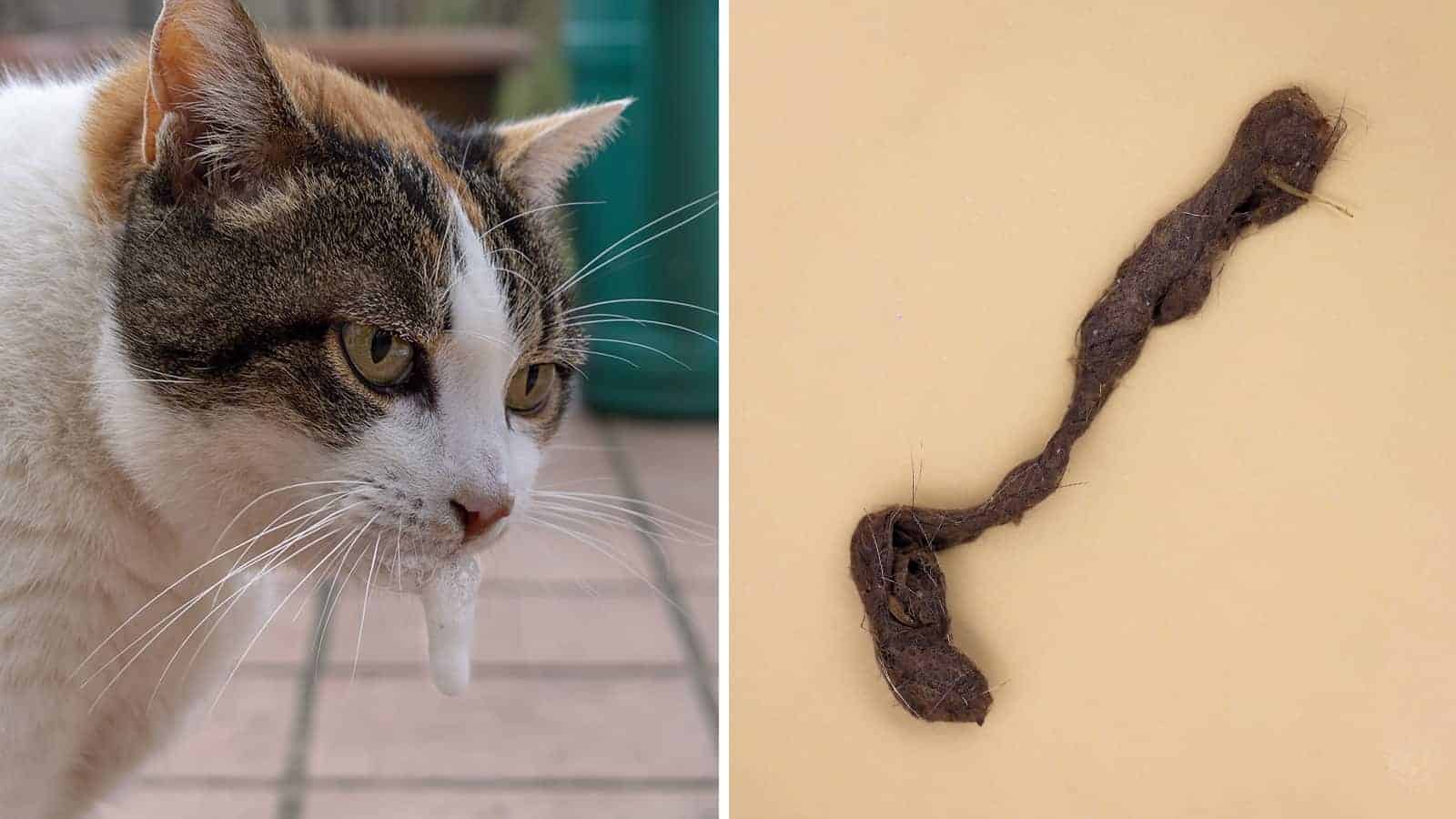
Credit: www.powerofpositivity.com
Causes Of Hairballs
Cats are known for their grooming habits. They spend a lot of time licking their fur. During this process, they swallow loose hair. This can lead to hairballs. Understanding the causes can help manage them better. Hairballs are not just a grooming issue. They also relate to other factors. Let’s explore the main causes of hairballs in cats.
Excessive Grooming
Cats may groom more due to stress. This leads to more hair ingestion. A stressed cat often licks its fur repeatedly. This adds to the formation of hairballs. Identifying the stress source is crucial. It can be due to changes in the environment or routine. Providing a calm space helps reduce stress.
Seasonal Shedding
Cats shed more during spring and fall. This increases the amount of loose hair. More hair means more ingestion during grooming. Seasonal shedding is natural. Regular brushing can help manage loose hair. It reduces the amount of hair a cat swallows.
Dietary Factors
A cat’s diet impacts its fur and digestion. Low-fiber diets can increase hairball issues. Fiber helps move hair through the digestive system. A balanced diet with enough fiber is essential. Consult a vet for dietary advice. They can recommend the best food options.
Breed Specificity
Long-haired cats are more prone to hairballs. Breeds like Persians and Maine Coons have longer fur. They ingest more hair while grooming. Regular grooming by the owner helps. It reduces the amount of loose hair they swallow.
Skin Conditions
Skin conditions can cause more hair to shed. Allergies or parasites lead to itchy skin. Cats scratch and lick more, ingesting more hair. Treating the skin issue is vital. A vet can provide the right treatment plan.
Signs And Symptoms
Cats often deal with hairballs. These pesky bundles of fur can cause discomfort. Understanding the signs and symptoms can help manage them. Recognizing these signs early can make a difference. This section explores the common indicators that a cat might be experiencing hairball issues.
Signs Of Hairball Trouble
Frequent gagging or retching is a common sign. It shows your cat is trying to expel a hairball. Listen for persistent coughing sounds. These can signal a hairball stuck in the throat.
Vomiting
Vomiting is another symptom. Cats may vomit to remove hairballs. Monitor the frequency. If vomiting is regular, consult a vet.
Digestive Distress
Notice changes in your cat’s digestion. Constipation or diarrhea can indicate hairball issues. These symptoms show the digestive system is affected.
Lack Of Appetite
A reduced appetite may signal discomfort. Cats may avoid eating if they feel unwell. Observe their eating habits closely.
Lethargy
Lethargy can be a sign of hairball problems. Cats might seem tired or less active. Watch for changes in energy levels.
Excessive Grooming
Excessive grooming can lead to hairballs. A cat might groom to remove loose fur. This behavior increases hairball risk.
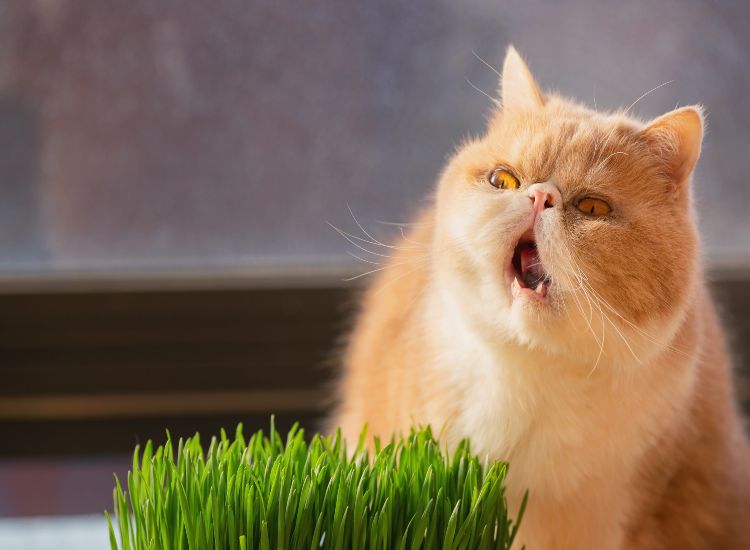
Credit: www.reedanimalhospital.com
Dietary Solutions
Dealing with hairballs can be a frustrating experience for both you and your cat. Luckily, there are dietary solutions that can help manage and reduce the occurrence of these pesky problems. By focusing on what your cat eats, you can play a significant role in minimizing hairballs. Let’s explore some effective dietary strategies you can implement to help your furry friend.
High-fiber Foods
Fiber is not only essential for your cat’s digestion, but it can also aid in reducing hairballs. High-fiber foods help move hair through the digestive system more efficiently. Consider adding foods like pumpkin or special high-fiber cat treats to your pet’s diet.
If you’re anything like me, you’ll find it helpful to slowly introduce these foods to see how your cat reacts. My cat, Whiskers, initially turned his nose up at canned pumpkin, but a little persistence led to fewer hairball incidents.
Have you ever noticed how your cat reacts to new foods? It’s all about finding what works best for them while keeping their diet balanced and enjoyable.
Special Hairball Formulas
Many pet food brands offer special hairball formulas designed to reduce hairballs. These formulas often contain a blend of fibers and other ingredients that help manage your cat’s coat and digestive health.
When choosing a hairball formula, look for options that list both fiber and omega fatty acids. These nutrients help support skin and coat health, making it easier for your cat to handle shedding.
I once switched my cat to a hairball formula after noticing frequent hairball issues during shedding season. The change was noticeable, and Whiskers seemed much more comfortable. Could a dietary change be the solution your cat needs?
Remember, each cat is unique. What works for one might not work for another. Regular monitoring and adjustments to your cat’s diet can make a world of difference in hairball management.
Regular Grooming
Cats often struggle with hairballs due to frequent grooming. Regular brushing helps reduce loose fur, minimizing hairball formation. Consider special cat food designed to aid digestion and prevent hairballs.
Regular grooming plays a crucial role in managing cat hairballs. It reduces shedding, which helps prevent hairballs from forming. Cats groom themselves daily, swallowing loose fur. This fur can accumulate in their digestive tract, causing discomfort. By grooming your cat, you can minimize this issue and promote a healthier coat.Brushing Techniques
Brushing your cat regularly is key. It removes loose fur before your cat swallows it. Use a brush suitable for your cat’s coat type. For short-haired cats, a soft-bristle brush works well. Long-haired cats need a comb with wide teeth. Brush gently to avoid hurting your cat’s skin. Start from the head and move towards the tail. This ensures all areas are covered. Make brushing a positive experience by rewarding your cat. Use treats or gentle praise to encourage cooperation.Bathing Tips
Bathing your cat occasionally helps manage fur. Cats usually dislike water, so be gentle. Use lukewarm water and mild cat shampoo. Avoid getting water in their ears or eyes. A non-slip surface in the tub helps your cat feel secure. Rinse thoroughly to remove all shampoo residue. Dry your cat with a soft towel. Some cats tolerate blow-drying, but keep the heat low. Bathing removes excess fur and reduces shedding. It supports a cleaner environment for your cat.Hydration Importance
Hairballs are a common issue for many cat owners. Proper hydration plays a crucial role in managing this problem. Cats need enough water to keep their digestive systems functioning well. This helps in reducing the occurrence of hairballs. Hydration ensures that ingested fur moves smoothly through their system. It minimizes the chances of it forming a hairball. Let’s explore how keeping your cat hydrated can make a difference.
Understanding Your Cat’s Water Needs
Cats often don’t drink enough water on their own. They rely on their food for moisture. Wet cat food can provide additional hydration. It’s an easy way to increase their water intake. Consider mixing a little water into their dry food. This can help, too. Observe your cat’s drinking habits closely. Ensure they have constant access to fresh water.
Encouraging Your Cat To Drink More
Some cats prefer running water. Try using a cat water fountain. These fountains can make drinking more appealing to your feline friend. Place water bowls in multiple locations around your home. This encourages more frequent drinking. Choose wide, shallow bowls to avoid whisker fatigue. Cats are more likely to drink from bowls they find comfortable.
The Role Of Diet In Hydration
A balanced diet is vital for cat health. It includes their hydration needs. Wet food contains a higher water content than dry food. It helps maintain hydration levels in cats. You can also offer homemade broths. Ensure they are salt-free. This adds variety to their diet and boosts hydration.
Natural Remedies
Cats often suffer from hairballs, causing discomfort and irritation. Natural remedies like regular grooming can help. Adding fiber-rich foods or a little pumpkin to their diet aids digestion and reduces hairball formation.
Dealing with hairballs is a common challenge for cat owners. Luckily, natural remedies can help minimize this hairy problem. These remedies are safe, simple, and can make a significant difference in your cat’s well-being. Let’s explore some effective natural solutions you can try at home.Olive Oil
Adding a small amount of olive oil to your cat’s diet can be a game-changer. Just a teaspoon mixed into their food a couple of times a week can help lubricate your cat’s digestive system. This helps the hair pass through more easily, reducing the formation of hairballs. Have you ever tried using olive oil for your cat? It’s a simple pantry item that many cat owners overlook. Plus, it’s packed with healthy fats that can improve your cat’s coat and skin. Be cautious not to overdo it. Too much oil can lead to digestive upset. Start with small amounts and observe how your cat responds.Pumpkin Puree
Pumpkin puree is another excellent natural remedy. It’s rich in fiber, which aids digestion and helps prevent hairballs. You can add a tablespoon to your cat’s regular meals. Pumpkin is not only beneficial for hairballs but also good for overall digestive health. It’s a natural way to keep your feline friend healthy and happy. When you first introduce pumpkin, your cat might be skeptical. Some cats take to it immediately, while others need a bit more encouragement. Consider mixing it with their favorite wet food to make it more appealing. Have you considered these natural remedies for your cat’s hairball issue? They are easy to implement and can make a world of difference for both you and your furry companion.Over-the-counter Solutions
Over-the-counter solutions can offer quick relief for cats with hairball issues. These products are easily accessible and can help manage hairballs effectively. They come in various forms, providing different methods to ease the discomfort that hairballs cause. Below are some commonly used options that cat owners can consider for helping their feline friends.
Hairball Treats
Hairball treats are a popular choice among cat owners. They are tasty and appealing to cats. These treats often contain fiber, which helps reduce hairball formation. Fiber aids in moving hair through the digestive system. This minimizes the chance of a blockage. Giving these treats regularly can prevent hairballs. Look for treats specifically labeled for hairball control.
Laxatives
Laxatives can be a helpful solution for hairball issues. They work by lubricating the digestive tract. This makes it easier for hair to pass through. Laxatives are available in gel or paste form. They are usually flavored to appeal to cats. It’s important to follow the dosage instructions carefully. Overuse can lead to digestive problems. Consult a vet before using laxatives.
Veterinary Assistance
Hairballs are a common issue for cats, but sometimes they can cause more serious problems. As a cat owner, you might wonder when it’s time to seek veterinary assistance. Understanding when to consult a vet and what possible medical treatments are available can be crucial in ensuring your cat’s health and comfort.
When To Consult A Vet
Hairballs are usually harmless, but if your cat is frequently gagging or vomiting, it might be time for a vet visit. Persistent issues can lead to dehydration or blockages in their digestive tract.
Have you noticed your cat losing weight or becoming lethargic? These could be signs of a more serious problem. Veterinary advice can help determine if something else is affecting your cat’s health.
Regular vet check-ups might seem like a hassle, but they provide peace of mind. Catching issues early can prevent them from becoming severe. You wouldn’t want your cat to suffer due to a simple oversight.
Possible Medical Treatments
Once at the vet, several treatments might be recommended. Lubricants can assist in passing hairballs naturally. These are often flavored to ensure your cat will take them willingly.
In some cases, dietary changes are necessary. High-fiber foods can help improve digestion and reduce hairball formation. This change might seem small, but it can make a significant difference.
Surgery is rare but sometimes required for severe blockages. While the thought is daunting, modern veterinary practices ensure this is a safe and effective solution. It’s a relief knowing there are options if your cat needs them.
Have you ever hesitated to call the vet, thinking the issue might resolve itself? Consider how these insights make a compelling case for prompt action. Your cat’s wellbeing might depend on it.
Preventive Measures
Helping your cat deal with hairballs can be challenging. Hairballs are uncomfortable for cats and stressful for owners. Implementing preventive measures helps minimize hairballs and keeps your cat healthy. These steps ensure a happier life for your feline friend.
Regular Check-ups
Regular vet visits are vital for your cat’s health. A vet checks for any underlying issues causing hairballs. They offer advice tailored to your cat’s needs. Routine check-ups also catch problems early, preventing hairball complications.
Environmental Enrichment
Enriching your cat’s environment reduces stress. Stress can lead to excessive grooming and hairball formation. Provide toys and interactive activities to keep your cat engaged. Scratching posts and climbing structures add variety and excitement.
Change their surroundings often to maintain interest. Rotate toys and rearrange furniture. Stimulating environments keep your cat active and less prone to hairballs.

Credit: www.wikihow.com
Frequently Asked Questions
What If My Cat Can’t Cough Up A Hairball?
If your cat can’t cough up a hairball, consult a veterinarian. They may recommend laxatives or special diets. Regular grooming helps prevent hairballs. Offer plenty of water and fiber-rich food to aid digestion.
How Do I Know If My Cat Has A Hairball Stuck?
Watch for symptoms like coughing, gagging, or vomiting without producing a hairball. Increased appetite loss or lethargy may indicate a blockage. Consult your vet if symptoms persist for proper diagnosis and treatment. Regular grooming helps prevent hairball issues.
What Causes Hairballs In Cats?
Hairballs form when cats groom themselves and ingest loose hair. This hair accumulates in their digestive tract. Long-haired breeds and frequent groomers are more prone to hairballs. Regular grooming and a balanced diet can help reduce hairball formation in cats.
How Can I Prevent Hairballs In Cats?
To prevent hairballs, groom your cat regularly to remove loose fur. Provide a balanced diet high in fiber to aid digestion. Encourage your cat to drink plenty of water. Consider using hairball control treats or supplements to further reduce hairball formation.
Conclusion
Helping your cat with hairballs is essential for their comfort. Regular grooming can significantly reduce hairball issues. Providing a balanced diet with fiber aids digestion. Ensure your cat stays hydrated. Keep clean water available at all times. Hairball remedies can also assist in prevention.
Consult your vet for safe options. Monitoring your cat’s behavior is crucial. Sudden changes may need veterinary attention. By following these steps, you support your cat’s health. A hairball-free cat is a happier cat. Your furry friend deserves the best care possible.
Enjoy your time with a content, healthy kitty!