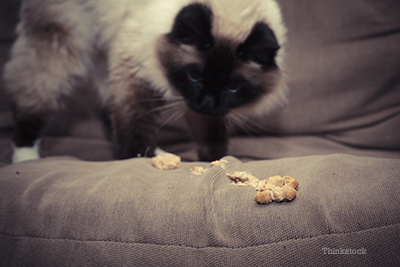
Have you ever been jolted awake by the sound of your cat hacking up a hairball? You’re not alone.
This curious feline behavior can leave many cat owners puzzled and a bit concerned. But don’t worry, understanding why cats have hairballs is simpler than you might think. We’ll explore the science behind those pesky hairballs and what they mean for your furry friend’s health.
By the end, you’ll have a clearer picture of why your beloved cat occasionally coughs up these fur clumps, and more importantly, how you can help minimize them. Keep reading to uncover the secrets behind your cat’s hairball habits and ensure their well-being.

Credit: www.ahna.net
Feline Grooming Habits
Cats often groom themselves, leading to the ingestion of loose fur. This fur can clump together and form hairballs. While grooming, their rough tongues catch loose hair, which they swallow, resulting in hairballs.
Cats are known for their meticulous grooming habits, often spending a large part of their day cleaning themselves. This behavior is not just about vanity. It’s an essential aspect of their health and well-being. However, this grooming can lead to the common occurrence of hairballs. Understanding the intricacies of your cat’s grooming habits can help you better manage and prevent these pesky hairballs.Self-cleaning Mechanism
Cats are equipped with a natural self-cleaning mechanism. They instinctively groom themselves to remove dirt, parasites, and loose hair. This keeps their coat clean and free from tangles. Their grooming is not random. Cats follow a precise pattern, ensuring every part of their body is clean. This regular grooming helps them maintain their temperature and distributes natural oils to keep their skin healthy. Have you ever noticed how often your cat grooms after eating or using the litter box? This is their way of staying fresh and preventing unpleasant odors. However, the downside is that they often ingest a significant amount of fur, leading to hairballs.Role Of The Tongue
The cat’s tongue is a remarkable tool. It has tiny, hook-like structures called papillae that act like a brush, grabbing loose fur and debris. This efficient tool is why cats are such effective groomers. Yet, this same tongue is why hairballs form. As your cat grooms, the tongue’s papillae collect loose hair, much of which is swallowed. While most of this hair passes through the digestive system, some remain and accumulate in the stomach, forming hairballs. Think about the last time you brushed your cat and the amount of fur that came off. Now, imagine how much they might ingest over time. Regular brushing can help reduce the amount of hair your cat ingests and minimize the occurrence of hairballs. Understanding your cat’s grooming habits is crucial for their health. By knowing how they groom and why, you can take steps to help manage hairball formation. Does your cat have a particular grooming routine you’ve noticed? Observing these habits can give you insights into their health and happiness.Anatomy Of A Hairball
Understanding hairballs starts with their anatomy. Cats groom themselves daily using their tongues. Their tongues have tiny, hook-like structures. These hooks grab loose fur. As cats swallow, this fur moves into their stomachs. Over time, the fur can clump together. This forms what we know as a hairball.
Formation Process
The formation process of a hairball is simple. As cats groom, they swallow hair. This hair does not digest easily. Instead, it collects in the stomach. Gradually, it forms a ball. These hairballs can grow larger over time. Eventually, the cat must expel it.
Common Characteristics
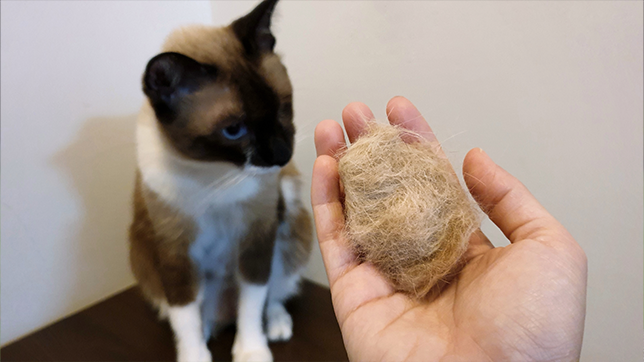
Hairballs have distinct characteristics. They are often tube-shaped. This shape comes from passing through the esophagus. Hairballs can vary in size. Most are a few inches long. The color usually matches the cat’s fur. Their texture is dense and firm.
Hairballs can sometimes cause discomfort. Cats may gag or retch. This is common during expulsion. Observing these signs can help identify hairball issues. Regular grooming helps reduce hairball formation.
Impact On Cat Health
Cats often develop hairballs due to grooming habits. Swallowed fur accumulates and forms hairballs, impacting their health. Hairballs can lead to digestive issues, causing discomfort and vomiting in cats.
Cats often groom themselves to keep clean. This leads to the ingestion of fur. Over time, this fur can accumulate in their stomach, forming hairballs. While this is a natural process, hairballs can impact a cat’s health. Understanding these effects helps cat owners care better for their feline friends.Digestive System Challenges
Hairballs can cause digestive problems for cats. The fur can block the intestines, leading to discomfort. Cats may struggle to digest food properly. This blockage can cause vomiting or constipation. In severe cases, it may require veterinary intervention. Regular grooming reduces the fur cats ingest, minimizing these issues.Signs Of Hairball Issues
Cats show several signs when hairballs become problematic. Frequent vomiting is a common indicator. A dry cough may also suggest hairball trouble. Lethargy or lack of appetite points to discomfort. Observing these signs early is crucial. They can help prevent serious health problems. Regular monitoring ensures timely treatment.Preventive Measures
Cats often groom themselves, swallowing loose fur that forms hairballs. Regular brushing reduces swallowed fur, preventing hairballs. Feeding high-fiber cat food aids digestion, minimizing hairball formation.
Hairballs are a common nuisance for cat owners, but there are effective ways to prevent them. If your feline friend constantly coughs up these unpleasant surprises, it might be time to take some proactive steps. Here are some preventive measures that can help keep hairballs at bay and ensure your cat’s health and happiness.Dietary Adjustments
What your cat eats can make a big difference in hairball prevention. Adding more fiber to their diet helps move hair through the digestive system more efficiently. Consider high-fiber cat food or adding a small spoonful of canned pumpkin to their meals. Cats also need plenty of water to keep their digestive system running smoothly. Make sure your cat always has access to fresh water. Try using a cat water fountain to encourage more drinking.Regular Grooming
Regular grooming can significantly reduce the amount of loose hair your cat ingests. Brushing your cat daily helps catch loose fur before your cat swallows it during self-grooming. Short-haired cats may only need a few minutes of brushing, while long-haired breeds might require more attention. Think of grooming as a bonding opportunity. Use this time to check for any skin issues or parasites. Plus, regular grooming can reduce shedding around your house—a win-win for both you and your cat. Preventing hairballs is a joint effort between you and your cat. By making small changes to their diet and grooming routine, you can help your feline friend live a more comfortable, hairball-free life. Are you ready to make these changes for your cat’s wellbeing?When To Seek Veterinary Help
It’s quite normal for cats to cough up hairballs due to their grooming habits. However, sometimes these pesky hairballs can signal a more serious issue. So, when should you start worrying and call your vet? Let’s dive into the signs that demand attention and the treatment options available.
Warning Signs
Is your cat trying to cough up a hairball but nothing’s coming out? This could be a red flag. If your feline friend seems lethargic or has a decreased appetite, it’s time to be concerned. Persistent vomiting, especially if it’s not accompanied by a hairball, is another sign that you shouldn’t ignore.
Pay attention to any changes in their stool. If you notice constipation or diarrhea, it’s possible that a hairball is causing a blockage. Have you ever seen your cat straining to use the litter box? This could indicate a serious problem that requires veterinary help.
Treatment Options
Once you decide to visit the vet, they might suggest several treatments. Dietary changes are often the first step. You might be advised to add more fiber to your cat’s meals to help prevent future hairballs. Does your vet recommend specific hairball control cat foods?
In some cases, medications might be necessary. Your vet may prescribe a lubricant or laxative to help move the hairball through the digestive system. Surgery is rare, but if a hairball causes a severe blockage, it might be the only option.
Have you considered home remedies? Regular brushing can reduce the amount of hair your cat ingests. Is your cat comfortable with you brushing them? This simple step can minimize hairball formation.
Remember, your cat’s health is the priority. If you notice any unusual behavior, don’t hesitate to consult your vet. What steps will you take to ensure your cat stays hairball-free?
Credit: www.animalfriends.co.uk
Myths And Facts
Cats often have hairballs due to grooming themselves. Their tongues catch loose fur, which is swallowed and can form hairballs. It’s a natural part of their cleaning process, not a sign of illness. Understanding this helps in managing your cat’s health and reducing hairball occurrences.
Cats are fascinating creatures, often shrouded in mystery and myths. One topic that piques curiosity is why cats have hairballs. Hairballs are common, but misconceptions and facts about them abound. Understanding these can help cat owners care for their furry friends better.Common Misconceptions
Some believe hairballs are a sign of sickness. This isn’t always true. Most of the time, they are normal. Cats groom themselves often. They swallow loose hair in the process. Another myth is that only long-haired cats get hairballs. Short-haired cats can have them too. All cats groom. All cats can develop hairballs.Scientific Insights
Hairballs form because of the cat’s rough tongue. The tongue’s surface has tiny hooks. These hooks catch loose hair during grooming. The hair moves to the stomach. Usually, it passes through the digestive system. Sometimes, it collects and forms a hairball. Cats then vomit the hairball to expel it. This process is natural and usually harmless. Understanding these myths and facts about hairballs is essential. It helps in providing better care for your feline friend.
Credit: www.turramurravet.com.au
Frequently Asked Questions
How Do You Prevent Hairballs In Cats?
Brush your cat regularly to reduce loose fur. Provide a balanced diet with fiber-rich cat food. Ensure your cat stays hydrated and encourage play to promote regular bowel movements. Consider using hairball prevention treats or gels designed for cats. Regular vet check-ups can also help manage hairball issues.
Are Cats Supposed To Throw Up Hairballs?
Yes, cats commonly throw up hairballs. It’s a natural process of expelling swallowed fur. Regular grooming helps reduce hairballs. If vomiting is frequent or severe, consult a veterinarian.
Is It Good For Cats To Cough Up Hairballs?
Cats coughing up hairballs is normal. It’s a natural way to expel swallowed fur. Regular grooming reduces hairball occurrence. If hairballs happen frequently or cause discomfort, consult a vet. Ensure your cat stays hydrated and consider hairball control cat food.
Monitor for signs of digestive issues.
When Should I Worry About Cat Hairballs?
Worry if your cat has frequent hairballs, vomiting, or loss of appetite. These could indicate a serious issue. Regular grooming and a high-fiber diet may help reduce hairballs. Consult a vet if symptoms persist or worsen.
Conclusion
Cats have hairballs due to grooming habits. They swallow loose fur. This fur forms balls in their stomachs. It’s normal but can be bothersome. Regular brushing helps reduce hairballs. Diet changes can also aid digestion. Always provide fresh water for your cat.
Watch for frequent coughing or vomiting. It might be a sign to visit the vet. Understanding your cat’s needs improves their health. Happy, healthy cats mean fewer hairballs. Keep your feline friend comfortable and happy.