How Do You Prevent Cats from Scratching Furniture: Expert Tips
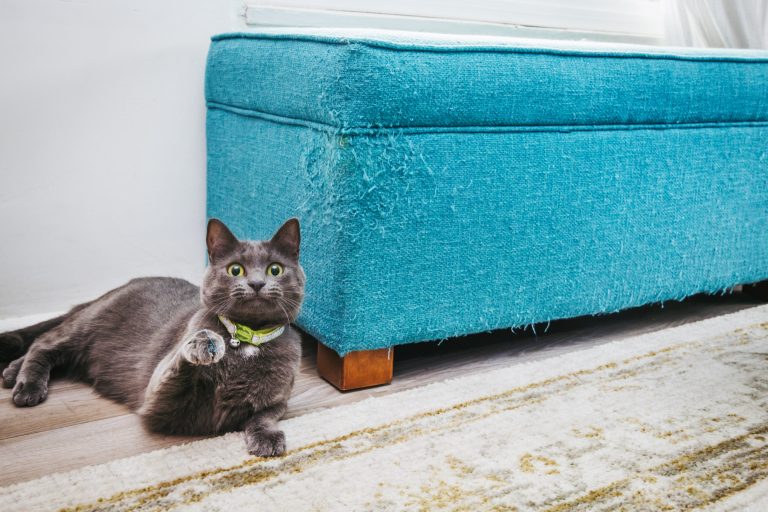
If you’re a cat owner, you know the struggle all too well. You adore your feline friend, but your heart sinks every time you see new scratch marks on your once-perfect sofa.
Understanding why cats scratch is the first step to finding a solution, and that’s exactly what we’re here to explore. Imagine a home where your furniture remains unscathed and your cat is still happy and healthy. Sounds like a dream, right?
Well, it’s entirely possible, and you’re about to discover how. You’ll learn effective strategies to keep your cat from turning your couch into a scratching post. These tips are not only practical but also simple to implement. By the end of this read, you’ll be equipped with the knowledge to protect your furniture while keeping your cat content. So, are you ready to reclaim your living room? Let’s dive in and transform your home into a scratch-free sanctuary.

Credit: www.greensafaris.com
Understanding Cat Behavior
Cats bring joy and companionship. Yet, their scratching behavior can frustrate. Understanding why cats scratch helps manage this behavior. It also aids in preventing damage to your furniture. Cats scratch for various reasons. Let’s explore these motives to better understand our feline friends.
Why Cats Scratch
Scratching serves multiple purposes for cats. It sharpens their claws. Scratching also helps cats mark territory. This is done through scent glands in their paws. Cats scratch to stretch their bodies too. It’s a part of their daily routine. These actions are natural and instinctive.
Natural Instincts And Needs
Cats have ingrained instincts to scratch. This behavior is not merely for fun. It fulfills physical and emotional needs. Scratching removes old claw sheaths. It maintains claw health. Cats also scratch for exercise. It keeps their muscles strong and flexible. Understanding these needs helps in addressing the scratching issue.

Credit: www.washingtonpost.com
Effective Deterrents
Effective deterrents can transform your home from a scratching battlefield into a peaceful coexistence with your feline friend. Cats naturally scratch to mark their territory and keep their claws healthy. But when your beloved sofa turns into their favorite scratching post, it’s time to take action. With a few simple steps, you can redirect their instincts without sacrificing your furniture.
Using Scratching Posts
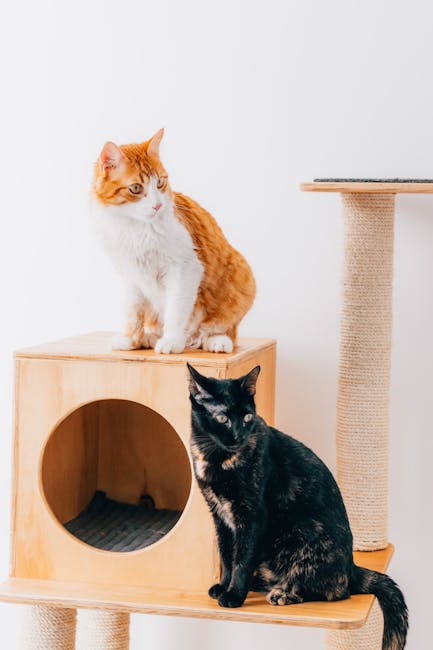
Scratching posts are a cat owner’s best ally. They give your cat the perfect outlet for their scratching needs. Choose a post that is tall and sturdy, ensuring it won’t topple over. Cats like a good stretch when scratching, so height matters.
Place the scratching post near the furniture your cat usually targets. This offers an alternative right where they want to scratch. Encourage your cat by sprinkling some catnip on the post or play with them nearby to spark their interest.
Have you ever noticed your cat ignoring the scratching post you bought? You’re not alone. Try experimenting with different textures like sisal, carpet, or cardboard to see what your cat prefers. Variety can be key to keeping them engaged.
Furniture Covers And Protectors
Furniture covers offer a temporary solution while you work on redirecting your cat’s scratching habits. These covers can be stylish and functional, protecting your investment without compromising your decor. Opt for covers made from durable materials that can withstand scratching.
Consider using double-sided tape or specially designed furniture protectors. Cats dislike sticky surfaces, which can deter them from approaching your sofa. This simple trick can make a noticeable difference.
Have you thought about using aluminum foil? It’s an inexpensive way to keep your cat off certain surfaces. Cats dislike the texture and sound, making them less likely to scratch where the foil is placed.
What will work best for your cat? Sometimes, it’s a combination of solutions. Observe your cat’s habits and preferences to find the most effective deterrent. You might discover that a mix of scratching posts and protectors is just what you need.
Training Techniques
Cats love to scratch. It’s in their nature. Scratching helps them keep their claws healthy. It also marks their territory. But this behavior can damage your furniture. Training your cat can help. With patience, you can protect your couch and chairs. Let’s explore some effective training techniques.
Positive Reinforcement
Reward good behavior. This encourages your cat to repeat it. Use treats or praise. For example, when your cat uses a scratching post, give a treat. Praise them with a gentle voice. This builds a connection. Your cat learns what pleases you. Over time, they associate scratching posts with rewards.
Redirecting Scratching Behavior
Guide your cat to scratch in safe areas. Use scratching posts or pads. Place them near the furniture they scratch. Cats respond well to textures. Choose posts with sisal or cardboard. Encourage your cat to use these instead. If they scratch the furniture, gently move them to the post.
Use toys to attract them. Dangle a toy over the scratching post. This captures their interest. Once they engage, let them explore the post. Redirecting helps them form new habits. It turns their attention away from your furniture.
Environmental Modifications
Preventing cats from scratching furniture can be challenging. Environmental modifications offer effective solutions. These changes cater to a cat’s natural instincts. They help protect your home while keeping your cat happy.
Creating A Cat-friendly Space
A designated cat area can deter unwanted scratching. Use cat trees or scratching posts. Place them near the furniture your cat often scratches. Cats like to climb and scratch. Offer vertical and horizontal options. This satisfies their natural urges.
Incorporating Cat Toys And Activities
Engage your cat with toys and activities. These distractions keep them from scratching furniture. Interactive toys encourage play and exercise. Rotating toys keeps them interesting. Puzzle feeders stimulate their mind. A busy cat has less time to scratch your furniture.
Products To Consider
Are you tired of watching your beloved feline transform your elegant sofa into a shredded mess? You’re not alone. Many cat owners struggle with the challenge of preventing their cats from scratching furniture. Fortunately, there are several products designed to help manage this instinctive behavior. Let’s explore some effective options that could save your furniture and keep your kitty happy.
Anti-scratch Sprays
Anti-scratch sprays can be a game-changer in protecting your furniture. These sprays are designed to deter cats from scratching by emitting a scent they dislike. It’s easy to use: simply spray it on the areas where your cat tends to scratch. The scent is often odorless to humans, so it won’t interfere with your home’s ambiance.
While using anti-scratch sprays, consistency is key. Regular application can reinforce the message to your cat that these areas are off-limits. Ask yourself, could this be the solution your cat needs to redirect its scratching habits?
Some cat owners have found success with citrus-based sprays. As a cat owner, I tried a lemon-scented spray, and it surprisingly kept my cat away from the couch. Each cat is different, so you may need to experiment with a few scents before finding one that works.
Furniture Guards
Furniture guards are another practical option to consider. These are transparent or colored sheets that you attach to the sides of your furniture. They serve as a physical barrier, preventing your cat from accessing the fabric.
Installation is usually straightforward. Most guards come with adhesive strips that make them easy to attach and remove. This is a great choice for those who want to maintain the aesthetic of their living space while protecting their furniture.
Think about this: could furniture guards be the visual deterrent your cat needs? Some cats lose interest in scratching when their paws can’t sink into the fabric. When I used guards, I noticed my cat began to ignore the sofa altogether and focused more on her scratching post.
These products provide practical solutions to prevent furniture damage. By exploring anti-scratch sprays and furniture guards, you can create a peaceful coexistence between your cat and your cherished furniture. Which product will you try first?
Common Mistakes To Avoid
Cats often scratch furniture due to boredom or lack of suitable alternatives. Offer scratching posts and toys to redirect their energy. Avoid punishing them, as it can increase stress and worsen behavior.
Common Mistakes to Avoid Preventing your cat from turning your sofa into a scratching post can be a daunting task. However, many cat owners unknowingly make mistakes that hinder progress. Understanding what not to do is just as crucial as knowing the right steps to take.Punishing The Cat
Many cat owners make the mistake of punishing their cats for scratching furniture. This approach can be counterproductive. Instead of learning not to scratch, your cat might just learn to fear you. Cats scratch due to instinct. Punishing them for a natural behavior can lead to stress and anxiety. Instead, redirect their behavior to a more appropriate scratching post. Have you ever tried yelling at your cat only to see them do it again when you’re not looking? Consider reinforcing positive behavior with treats or affection when they use the scratching post.Inconsistent Training
Consistency is key when training your cat to stop scratching furniture. If you sometimes allow scratching and other times scold them, it creates confusion. Your cat won’t understand what is expected. Establish a routine and stick to it. When your cat uses a scratching post, reward them immediately. Make sure everyone in your household is on the same page with the rules. Think about it: if you were learning a new skill and kept receiving mixed messages, how motivated would you be to continue? Consistent training helps your cat understand expectations and adapt their behavior accordingly. By avoiding these common mistakes, you can guide your cat to better habits and protect your furniture. What strategies have you found effective in curbing your cat’s scratching? Share your experiences in the comments!Consulting A Professional
Scratching is natural for cats, but not on your furniture. If your feline friend won’t stop, it might be time to consider professional help. Consulting a professional can provide solutions tailored to your cat’s needs. These experts can help identify underlying issues and offer guidance.
When To Seek Help
If your cat’s scratching becomes unmanageable, seek professional help. Persistent scratching can damage your home and stress you out. If you’ve tried alternatives and nothing works, a professional can step in. They can assess your cat’s behavior and offer solutions.
Finding A Cat Behaviorist
Locating a cat behaviorist is easier than you think. Begin by asking your vet for recommendations. They often know qualified professionals. Search online for local cat behaviorists with good reviews. Online platforms can connect you with experts who offer virtual consultations. Ensure the behaviorist is certified and experienced.
:strip_icc()/keep-cat-from-scratching-carpet-554831_final-a8dcf3bb9e3b4c269259604c244f42d5.png)
Credit: www.wb-iisg.com
Frequently Asked Questions
How Do You Stop Cats From Scratching Furniture?
Provide scratching posts near furniture. Use double-sided tape or citrus sprays as deterrents. Keep your cat’s nails trimmed. Offer toys to distract them. Train with positive reinforcement.
What Smell Do Cats Hate To Stop Scratching Furniture?
Cats hate the smell of citrus, lavender, and eucalyptus. Use these scents to deter them from scratching furniture. Spray diluted essential oils or place scented items near targeted areas. Ensure these scents are safe and non-toxic for pets.
At What Age Do Cats Stop Clawing?
Cats typically claw throughout their lives. Clawing is a natural behavior for marking territory and maintaining claws. Encourage proper scratching by providing scratch posts. Training and redirecting their behavior can help manage excessive clawing. Regularly trimming claws may reduce damage to furniture.
What Is The Best Homemade Spray To Stop Cats From Scratching Furniture?
Create a homemade cat deterrent spray using water, vinegar, and lemon juice. Mix equal parts of water and vinegar with a few drops of lemon juice. Spray this solution on furniture to prevent cats from scratching. The scent deters cats while being safe for your furniture and pets.
Conclusion
Keeping cats from scratching furniture is a common concern. Try using scratching posts. Cats love them. Place them near favorite spots. Furniture protectors can also help. They shield from claws. Train cats with positive reinforcement. Reward good behavior. Distraction works too.
Toys or playtime can divert their attention. Consistency is key. Stick with the plan. Patience is important. Changes take time. Your furniture and cat can both be happy. With these tips, harmony is possible. Remember, a happy cat means a happy home.