How to Help Separation Anxiety in Cats: Expert Tips
Imagine coming home from a long day, only to find your cat stressed, anxious, or acting out. If this sounds familiar, your feline friend might be dealing with separation anxiety.
As a dedicated cat owner, you know your pet’s happiness is a top priority. When your cat experiences distress while you’re away, it’s not just tough on them—it can tug at your heartstrings too. But don’t worry; you’re not alone in this.
Many cat owners face similar challenges, and there are effective ways to help soothe your furry companion’s anxiety. By understanding the signs and learning practical solutions, you can create a more comfortable environment for your cat, even when you’re not around. Dive into the article to discover how you can transform your absence into a peaceful experience for your beloved pet.
Credit: longwoodvetcenter.com
Understanding Separation Anxiety In Cats
Cats can feel anxious when left alone. Create a calm space with familiar toys and soothing music. Gradually increase time away to help them adjust.
Understanding separation anxiety in cats is crucial for any cat owner who wants to ensure their feline companion’s well-being. Just like humans, cats can experience stress when left alone. Recognizing the signs early can help you take the necessary steps to alleviate your cat’s distress.Common Symptoms
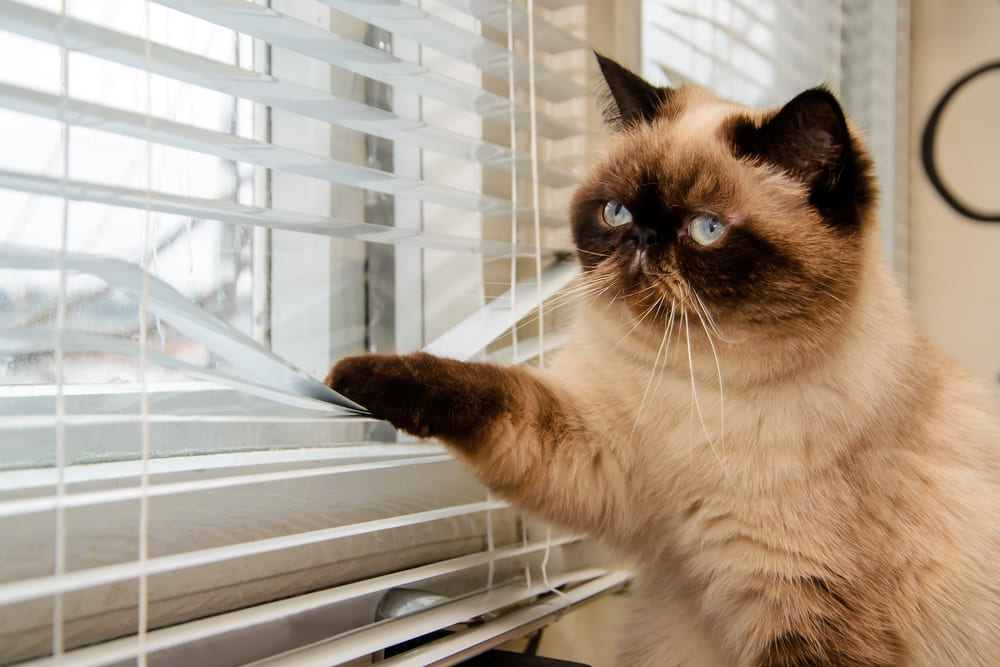
Cats may not always express their emotions openly, but there are telltale signs of separation anxiety you shouldn’t ignore. Your cat might start urinating outside the litter box, a clear indicator of distress. Excessive meowing or crying when you’re about to leave can also signal their unease. Destructive behavior, such as scratching furniture or knocking things over, often escalates when anxiety peaks. Have you noticed your cat grooming excessively or not eating while you’re away? These behaviors might also be linked to separation anxiety. Cats are creatures of habit, and any deviation in their routine can be unsettling for them.Causes And Triggers
Understanding what causes separation anxiety can help you mitigate it effectively. One common trigger is a sudden change in their environment or routine. Moving to a new home or changes in your work schedule can leave your cat feeling insecure. Cats thrive on companionship. If they’ve recently lost a fellow pet or family member, this could heighten their anxiety. Think back: Did the anxiety start after a significant change in your household? Another potential cause is a lack of mental stimulation. Cats are naturally curious and need regular engagement to stay mentally healthy. Without enough toys or interactive play, they might fixate on your absence. Have you considered how your own behavior might be influencing your cat’s anxiety? If you’re anxious or stressed when leaving, your cat can pick up on these emotions. By understanding these symptoms, causes, and triggers, you’re better equipped to help your feline friend cope with separation anxiety. What steps will you take today to ensure your cat feels safe and secure in your absence?
Credit: www.aspcapetinsurance.com
Creating A Comfortable Environment
Creating a cozy space helps ease separation anxiety in cats. Provide toys and scratching posts to distract them. Maintain a consistent routine for feeding and playtime to reassure your feline friend.
Creating a comfortable environment for your cat can ease separation anxiety. Cats thrive in spaces where they feel safe and secure. By adjusting their surroundings, you can help them feel more at ease. This comfort can reduce their stress when you’re away. Let’s explore how to create such an environment.Safe Spaces For Cats
Cats love having a place to hide. Provide cozy corners or boxes for them. These spots act as their sanctuary. Make sure these spaces are quiet and free from disturbance. A comfortable bed or soft blanket can make these areas inviting. Cats feel safer when they have options to retreat.Calming Scents And Sounds
Certain scents can soothe anxious cats. Lavender and chamomile are known to calm them. Consider using cat-friendly diffusers in their space. Soft music can also help. Classical or nature sounds can create a peaceful atmosphere. Keep noise levels low to maintain tranquility. This helps cats relax and reduces their anxiety.Routine And Consistency
Separation anxiety in cats is a common issue for many pet owners. Establishing routine and consistency can help ease this anxiety. Cats thrive on predictability. It gives them a sense of security. By creating a stable environment, you can reduce their stress. This involves setting regular feeding times and play sessions.
Scheduled Feeding Times
Feeding your cat at the same times daily is crucial. It establishes a predictable routine. Cats appreciate knowing when to expect their meals. This can help reduce their anxiety. Try to stick to the schedule even on weekends. Consistency matters.
Regular Play And Exercise
Exercise is vital for a cat’s mental health. Regular play sessions can alleviate stress. Allocate specific times for play each day. Use toys that mimic hunting, like feather wands. This engages their natural instincts.
Interactive play strengthens your bond. It also tires them out, promoting relaxation. Routine play sessions can make your cat feel secure. Stick to the schedule as much as possible.
Credit: tosvets.com
Engaging Toys And Activities
Separation anxiety in cats can be a challenging situation for both you and your furry friend. Thankfully, engaging toys and activities can make a significant difference in alleviating your cat’s stress when you’re not around. These tools not only keep your cat entertained but also stimulate their mind and body, helping them feel more secure in your absence. Let’s explore some exciting options to keep your cat happily occupied.
Interactive Toys
Interactive toys are a fantastic way to keep your cat engaged and active. Consider battery-operated mice that scurry across the floor, enticing your cat to chase after them. Laser pointers can also provide endless entertainment as your cat tries to catch the elusive red dot. These toys mimic the thrill of the hunt, satisfying your cat’s natural instincts.
Another option is wand toys with feathers or bells. They can be waved around to encourage jumping and pouncing, offering a great physical workout. These toys can strengthen the bond between you and your cat, turning playtime into a shared adventure. Have you ever seen your cat leap into the air, eyes wide with excitement? It’s pure joy.
Puzzle Feeders
Puzzle feeders offer a unique combination of mental stimulation and reward. These feeders challenge your cat to solve a puzzle to access their food or treats, keeping them engaged for longer periods. Consider feeders that require your cat to move pieces or spin compartments to release their favorite kibble. It’s a clever way to turn mealtime into an enriching activity.
Using puzzle feeders can transform your cat’s routine, offering them a sense of accomplishment and boosting their confidence. Try different designs to find what suits your cat’s personality. Do you think your cat enjoys a challenge? Puzzle feeders might just be the perfect solution.
By integrating these engaging toys and activities into your cat’s day, you provide them with fun and distraction, easing their separation anxiety. What new toy will your cat discover today?
Gradual Desensitization Techniques
Helping your cat overcome separation anxiety can be a challenging but rewarding endeavor. Gradual desensitization techniques offer a practical way to ease your furry friend into feeling comfortable when you’re not around. By slowly getting your cat used to short periods of absence, paired with positive reinforcement, you can create a safer and more secure environment for them. These methods are effective and can be tailored to your cat’s unique needs.
Short Absences
Start with brief departures from your cat’s sight. Initially, leave for just a few minutes, gradually increasing the duration as your cat becomes more comfortable. Observe their behavior and adjust your time away based on their reactions. If your cat seems calm after a five-minute absence, try extending it to ten minutes the next time.
Consider creating a routine around these short absences. If you usually leave for errands, let those be your practice times. This consistency helps your cat predict and eventually accept your temporary absence. Remember, the key is to increase the duration slowly, making it less overwhelming for your pet.
Positive Reinforcement
Reward your cat’s calm behavior with treats or affection once you return. This reinforces the idea that your absence leads to positive outcomes. You could create a special reward system, where your cat receives a favorite treat when they’ve stayed calm during your absence.
Engage your cat with toys or activities that they enjoy while you’re gone. This not only distracts them but also helps them associate your absence with fun. A simple puzzle toy with hidden treats can keep them occupied and create a positive experience.
Have you ever noticed how your cat acts when you return home? Those moments can be telling. If your cat seems anxious, it might be time to rethink the reward system or adjust the duration of your absences. By tuning into their responses, you can better tailor these techniques.
What small changes can you make today to ease your cat’s anxiety? Every cat is unique, and finding the right balance requires observation and patience. Your efforts can transform your pet’s experience, making your time apart less stressful for both of you.
Professional Help And Resources
Separation anxiety in cats can cause stress for both cats and owners. Understanding this issue is the first step toward helping your feline friend. Sometimes, professional help and resources become essential. These experts provide valuable support and guidance.
Consulting A Veterinarian
Veterinarians have extensive knowledge about animal behavior. They can identify signs of separation anxiety in your cat. A visit to the vet can rule out medical problems. Health issues can sometimes mimic anxiety symptoms. Your vet can suggest medications that may reduce anxiety. They can also offer specific advice on managing your cat’s stress.
Animal Behavior Specialists
Animal behavior specialists focus on understanding cat behaviors. They use positive reinforcement techniques to modify anxiety-driven actions. These experts create customized plans to help your cat feel more secure. By consulting with them, you gain insights into your cat’s unique needs. They provide tailored strategies to ease separation anxiety. Their guidance can help improve your cat’s well-being significantly.
Natural Remedies And Supplements
Explore natural remedies and supplements to ease your cat’s separation anxiety. Herbal products like chamomile can calm nerves. Nutritional supplements with Omega-3s support overall mental health.
Dealing with a cat’s separation anxiety can be challenging, but natural remedies and supplements offer promising avenues for relief. These options can ease your cat’s stress without the side effects often associated with medications. Whether it’s through herbal solutions or over-the-counter products, there are several ways to help your feline friend feel more at ease when you’re not around.Herbal Solutions
Herbal remedies are a gentle way to soothe your cat’s nerves. Valerian root is popular for its calming properties. You might notice your cat becoming more relaxed when this herb is part of their environment. Another effective herb is chamomile. Known for its calming effects, it can be safely used as a supplement. Consider using chamomile drops in your cat’s water or offering chamomile-infused treats. Have you tried catnip? While it excites some cats, it can have a calming effect on others. Observe how your cat reacts and use it accordingly.Over-the-counter Options
Not all solutions need a prescription. Calming sprays can be a lifesaver. These sprays mimic cat pheromones, helping to create a soothing environment. Simply spray it in the areas where your cat spends the most time. Calming collars are another straightforward option. These collars continuously release pheromones that help ease anxiety. They are especially useful if your cat is often on the move or if you have multiple stress points in your home. Think about trying CBD oil. It’s becoming a popular choice for pet anxiety relief. Start with a small dose and monitor your cat’s reaction. Which remedy will you try first? It’s always crucial to observe how your cat responds and consult with your vet for guidance. Your dedication to finding the right solution can make all the difference in your cat’s comfort.Frequently Asked Questions
Can Cats Have Attachment Anxiety?
Cats can experience attachment anxiety. They form strong bonds with owners, leading to stress when separated. Symptoms include excessive meowing, destructive behavior, and changes in eating habits. Providing engaging toys and a consistent routine can help alleviate anxiety. Consulting a veterinarian can offer further guidance on managing attachment anxiety in cats.
How To Teach A Cat To Self Soothe?
Create a safe, quiet space with familiar items for your cat. Use calming pheromones or soothing music. Establish a consistent routine and provide interactive toys. Encourage independence with positive reinforcement. Ensure your cat’s basic needs are met, including food, water, and a clean litter box.
How Do I Get My Cat To Stop Crying When I Leave?
Provide toys and distractions for your cat. Establish a comforting goodbye routine. Gradually increase time apart to reduce anxiety. Consider using calming products or pheromone diffusers. Ensure your cat’s basic needs are met before leaving.
How To Relieve Separation Anxiety?
To relieve separation anxiety, create a consistent routine. Gradually increase time apart. Offer comforting items like a favorite toy or blanket. Practice short departures to build confidence. Consider seeking professional guidance if anxiety persists.
Conclusion
Helping your cat with separation anxiety takes patience and care. Small changes can make a big difference. Spend quality time with your cat. Create a safe and comfortable space for them. Use toys and treats to keep them entertained. Routine is important, so try to stick to a schedule.
If your cat’s anxiety is severe, consult a vet. They can offer more advice and solutions. Remember, your love and support mean the world to your furry friend. With time and effort, you can help your cat feel safe and secure.